Imagine this: A 22-year-old student in Cameroon sees girls in her community dropping out of school because of early marriage and lack of safe spaces to report abuse.
Another young person in Nigeria realizes many teens have no reliable way to learn about sexual health.
A third in Kenya notices renewable energy knowledge is missing among rural youth.
They all have passion, ideas, and energy, but they’re working alone. Ideas stay small. Projects fizzle out. Real change feels impossible.
Now imagine those same young people connect with others across cities and countries. They share skills, refine ideas, get mentorship, and work as a team. Suddenly, those individual sparks become powerful solutions: apps that protect girls, health education platforms, and community workshops that reach thousands.
This is the power of youth collaboration in 2025, and it’s no longer a nice-to-have. It’s the fastest, most effective way young people are driving real progress on the Sustainable Development Goals (SDGs).
Why Youth Collaboration Matters in 2025
The world’s biggest challenges, poverty, climate change, health, education, won’t be solved by governments or corporations alone. They will be solved by young people who collaborate across borders, disciplines, and backgrounds.
In 2025, the United Nations reports that youth-led, community-based collaboration is one of the most powerful drivers of SDG progress (sdgs.un.org). When young people work together, they:
- Combine diverse skills and perspectives
- Move faster from ideas to action
- Create solutions that are culturally relevant and sustainable
- Build networks that last beyond any single project
Yet most young people still face the same barriers: isolation, lack of structure, and limited resources. The ones who break through are those who find a way to collaborate effectively.
The Power of Youth Collaboration in SDG Projects
When young people collaborate intentionally, magic happens.
They don’t compete, they complement. A designer pairs with a developer. A communicator works with a researcher. Mentors guide the team. What starts as a single idea becomes a polished, impactful project.
This approach mirrors global best practices. Studies show that collaborative youth initiatives consistently outperform solo efforts in reach, sustainability, and long-term impact. In a world where digital tools make connection easier than ever, youth collaboration is unlocking solutions at scale.
[Learn how youth collaboration drives SDG progress > SDG guideline]
Real Impact: From Ideas to Solutions That Change Lives
Across Africa and beyond, young people are proving collaboration works.
One team created HerRoar, a mobile app that lets girls safely report gender-based violence (SDG 5: Gender Equality). What began as a small group discussion grew into a fully functional tool because designers, developers, and advocates worked together.
Another group built PALI, an app delivering sexual health education to young women (SDG 3: Good Health and Well-Being). By combining tech skills with community insight, they created something that actually gets used.
These aren’t one-off projects. They are the result of youth collaboration, teams that share skills, get mentorship, and hold each other accountable. And they’re happening right now, led by young people who refuse to wait for permission.
How Youth Collaboration Works (Step by Step)
Want to turn your own ideas into real impact? Follow this proven process:
- Start with Shared Purpose
Align around a clear goal, pick an SDG that matters to you and your community. - Build a Community of Thinkers
Share ideas openly and let others improve them through honest feedback. - Form Teams Based on Skills
Match people with complementary strengths: tech, communication, research, leadership. - Seek Mentorship
Find experienced guides who can help avoid mistakes and accelerate progress. - Create Clear Structure
Assign roles, set timelines, and use tools to stay organized. - Test and Iterate
Get real feedback from users and keep improving. - Document Impact
Track outcomes, not just effort, so you can prove the difference you’re making. - Celebrate and Scale
Share wins and expand what works.
Common Mistakes Most People Make (And How to Avoid Them)
- Working alone instead of collaborating
Fix: Join communities where you can find teammates. - Starting without a clear goal
Fix: Anchor every project to a specific SDG. - Poor team communication
Fix: Use shared tools and schedule regular updates. - Over-planning without action
Fix: Launch small pilots fast and learn quickly. - Ignoring mentorship
Fix: Actively seek advice from experienced people. - Focusing on activity, not impact
Fix: Measure real outcomes, not just hours spent. - Losing momentum
Fix: Set milestones and celebrate progress.
Best Tools & Resources for Youth Collaboration in 2025
- Notion – Organize ideas, assign tasks, and track progress
- Google Workspace – Real-time collaboration on documents and calls
- LinkedIn – Share your work and connect with global partners
- United Nations SDG Hub – Guides and resources for SDG alignment
- Community Platforms – WhatsApp groups, Slack, or dedicated sites where young people connect and collaborate
Frequently Asked Questions
What is youth collaboration in the context of SDGs?
It’s when young people team up across skills and regions to create solutions that advance the Sustainable Development Goals.
Why is collaboration better than working alone?
It combines diverse perspectives, speeds up progress, and creates more sustainable, impactful results.
Can anyone join youth collaboration efforts?
Yes, most communities welcome beginners who are willing to learn, contribute, and grow.
Youth collaboration is no longer a luxury, it’s the future of change. When young people connect, share skills, and work together, they don’t just dream of a better world. They build it, one project, one community, one goal at a time.
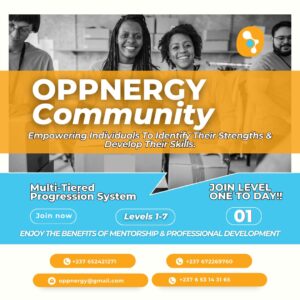
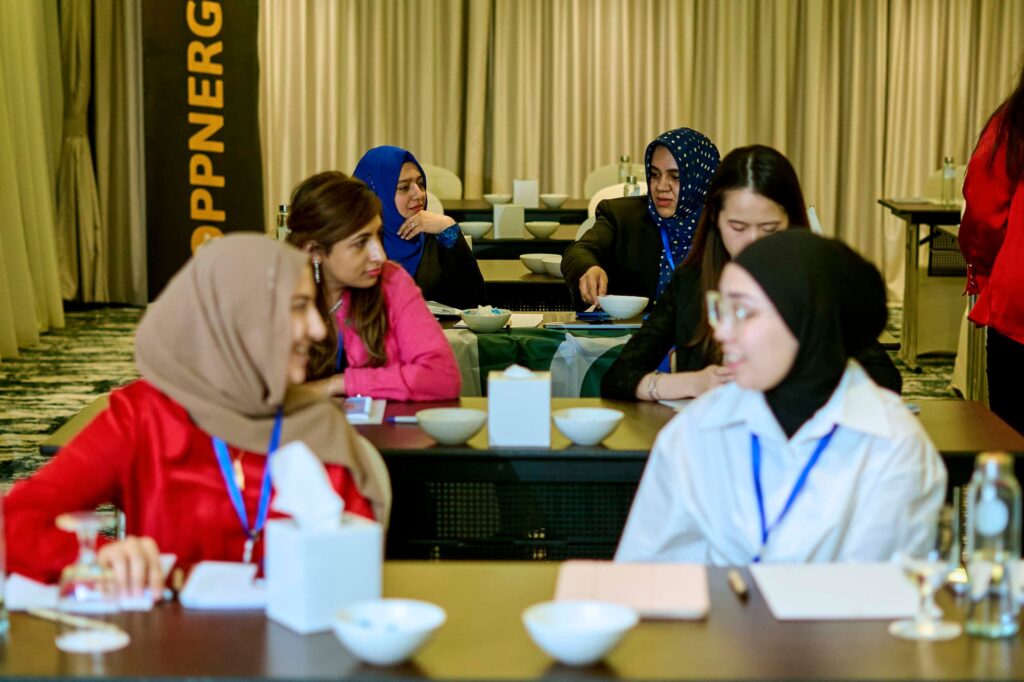
And right now, one of the most powerful examples of this is happening inside the Oppnergy community, where Oppnauts collaboration is turning ideas into real SDG impact every day.
Ready to collaborate, lead, and create impact?
👉 Join the Oppnergy Community > https://oppnergy.com